
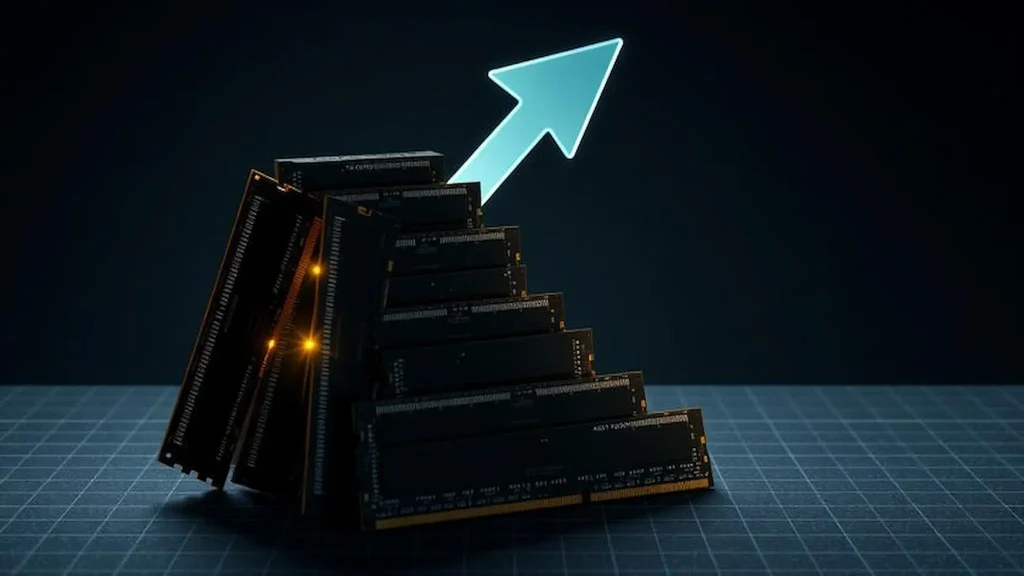
RAM prices surge 170% as AI boom creates global memory crisis
PC builders and tech enthusiasts are facing an unprecedented crisis as RAM prices skyrocket through 2024 and 2025, with experts warning the shortage could persist until 2028. The culprit? An insatiable AI industry consuming memory supplies at an alarming rate.
Key Takeaways
- RAM prices have surged 170% through 2024-2025
- Popular 32GB DDR5 kits jumped from $95 to $184 (94% increase)
- AI data centers require 200GB+ memory vs. 16GB for consumer PCs
- Major manufacturers pivoting production to high-profit HBM chips
- Relief unlikely until 2027-2028 when new fabs come online
While your laptop operates comfortably with 16GB of RAM, AI memory components require closer to 200 gigabytes. This massive disparity has created a perfect storm in the memory market, as manufacturers Samsung, SK Hynix, and Micron—controlling over 90% of global RAM production—pivot their capacity toward the lucrative AI sector.
The Perfect Storm
Memory manufacturers are reallocating more than 3x the wafer capacity to produce HBM (High Bandwidth Memory) chips for AI workloads compared to conventional DRAM. This strategic shift is squeezing the supply of regular memory that consumers and businesses depend on.
Shocking Price Increases
The numbers tell a stark story. The popular Corsair Vengeance DDR5-6000 32GB kit climbed from $95 to $184—a staggering 94% increase in just months. Even older DDR4 memory isn’t safe from the surge, with prices rising across all memory types and capacities.
December 2025 contract prices increased 80-100%. This is the start of a multiyear memory upcycle that will fundamentally reshape the PC market.
Leading analysts warn that high memory prices and tight supply could persist into 2027-2028 when new fabrication plants finally come online. Building these sophisticated facilities takes over three years and requires billions in investment.
Industry-Wide Impact
💻 PC Manufacturers
Dell planning 15-30% price hikes. Lenovo stockpiling 50% more RAM inventory. CyberPowerPC adjusted pricing upward across all systems in December 2025.
📱 Smartphone Market
Counterpoint Research estimates global cell phone shipments will decline about 2% next year due to memory shortages and increased component costs.
🎮 Hardware enthusiasts
Graphics card supplies running out, with Nvidia RTX 3060 stock finally depleting. Next-gen cards may launch with limited availability.
🏢 Enterprise Systems
Data center operators facing budget overruns as server memory costs spiral. Some projects delayed indefinitely awaiting price stabilization.
Why This Is Happening
The crisis stems from three converging factors that have created an unprecedented supply-demand imbalance:
1. AI Data Center Explosion — Companies like OpenAI, Meta, Google, and Microsoft are scrambling to build AI infrastructure. Each data center requires thousands of high-capacity memory modules, consuming supply faster than manufacturers can produce.
2. Production Shift — Samsung, SK Hynix, and Micron prioritize high-profit HBM memory for AI accelerators over consumer DRAM. The profit margins on AI memory are 3-4x higher than consumer RAM.
3. Supply Constraints — Building new memory fabrication plants requires 3+ years and billions in capital investment. Even with announced expansions, relief won’t arrive until late 2027 at the earliest.
Timeline: How We Got Here
What This Means for You
PC Builders: Expect to pay 2-4x more for RAM kits compared to 2023 prices. A 32GB DDR5 kit that cost $90 two years ago now sells for $180-220. Budget accordingly and consider buying sooner rather than later.
Smartphone Users: Next-gen phones may not increase RAM capacities as manufacturers absorb higher component costs. Expect flagship devices to maintain current memory specifications rather than upgrade.
Hardware enthusiasts: Graphics card supplies are running out, with Nvidia RTX 3060 stock finally depleting. The memory shortage is creating ripple effects across all hardware categories.
Budget Buyers: Consider waiting until late 2026 or exploring older platforms like AM4 that use more readily available DDR4 memory.
Should You Buy Now or Wait?
If you don’t urgently need RAM, waiting may be wise. However, if you need to build now, pre-built systems from manufacturers who secured bulk inventory at older prices may offer better value.
Explore PC Build Options →The Bottom Line
Samsung, SK Hynix, and Micron’s control of over 90% of the RAM market gives them unprecedented pricing power. While AI promises innovation and advancement, it’s inadvertently pricing out the very consumers who fuel technology adoption.
The memory crisis of 2025 serves as a stark reminder of how quickly supply chains can be disrupted when a single industry segment—in this case, artificial intelligence—creates extraordinary demand. For now, consumers and businesses must navigate this challenging landscape with careful planning and realistic expectations.
Stay informed: This situation is evolving rapidly. Follow WGO Pro for the latest updates on memory prices, availability, and market analysis to make informed purchasing decisions.

